If PCs Are Becoming Trucks Then What Will Wearable Computing Be?

Wearable_ComputingOne of the many prescient observations made by Steve Jobs during his lifetime came while being interviewed at the All Things D conference in 2010:

When we were an agrarian nation, all cars were trucks, because that’s what you needed on the farm. But as vehicles started to be used in the urban centers, cars got more popular. Innovations like automatic transmission and power steering and things that you didn’t care about in a truck as much started to become paramount in cars. … PCs are going to be like trucks. They’re still going to be around, they’re still going to have a lot of value, but they’re going to be used by one out of X people. … I think that we’re embarked on that. Is the next step the iPad? Who knows? Will it happen next year or five years from now or seven years from now? Who knows? But I think we’re headed in that direction.

Headed “in that direction” indeed, as worldwide smartphone shipments passed personal computers in 2011 and tablets are expected to do the same to portable PCs this year and all PCs in 2015. But as Android and iOS-based devices start relegating Windows-based PCs to specific tasks, is the same phenomenon about to happen to these mobile technologies thanks to wearable computing?

Wearable devices, which includes health trackers (i.e. Jawbone Up, Fitbit Flex, Nike+ FuelBand), smart watches (i.e. Pebble and many more expected from major consumer tech companies) and smart glasses (i.e. Google Glass), are projected to be a $50 billion business in 3 to 5 years according to Credit Suisse. But in order to reach that potential, wearable technologies need help from, coincidentally enough, the smartphone. That’s because wearable electronics lack the processing power and internet connectivity necessary to run their own native apps. So instead, these devices must leverage the latest Bluetooth technology in order to access existing mobile phone applications and wireless networks. This allows otherwise passive wearable interfaces to actively control the information being displayed on the device (i.e. YouTube videos on Google Glass or RunKeeper activity stats on a Pebble watch) or synched with the phone (i.e. steps tracked by Fitbit). Over time hardware technology improvements and more robust software will allow wearable computers to become their own app platforms, and in the process, relegate the smartphone to a subset of activities.

Which activities the smartphone focuses on going forward will depend on how consumers’ use of computing technology evolves. In keeping with Jobs’ analogy, if the personal computer is becoming the truck, then its primary purpose will be to enhance user productivity related to process-heavy tasks such as data extraction and manipulation, media editing and creation and software development. In turn tablets, because of their size and portability, are quickly becoming the device of choice when it comes to commerce, content, casual gaming and media consumption. This makes the tablet’s role more like that of an SUV rather than a truck. Even though smartphones will be used a lot like tablets when it comes to consumption activities, it will do so in shorter bursts of time and with specific intent (i.e. comparing product prices, looking up directions and movie times). Where the device will excel is in providing mobile connectivity akin to a MiFi device but programmed to route information in specific ways. Since smartphones will be used in the most variety of ways it should be considered the traditional car in the computing line up.

Smart_Car

So where does that leave wearable computing? With a focus on specific activities per device type and efficiencies gained from not having to constantly interact with our smartphones, wearables might turn out to be the smart cars of the computing world.
TV Everywhere Already Exists…and it Has 1 Billion Users to Prove It

TV_EverywhereThe promise of TV Everywhere is being realized, but not where you would expect it. Towards the end of March Magine announced the launch of an internet-based, cable-like offering which allows subscribers to watch television shows live or on-demand across any device without the need of a set-top box. The caveat: it’s only available in the company’s home country of Sweden.

So what about the rest of us?

With a popular slate of original programming including Boardwalk Empire and Game of Thrones, HBO has always been considered the catalyst for unlocking TV Everywhere in the U.S. This, despite fact that the only way fans can watch these shows is by first subscribing to pay television from cable or satellite service providers before signing up for HBO at an additional monthly fee. The hope has been that HBO would eventually go direct-to-consumer with its HBO GO service (like Netflix does with its streaming service), but with pay TV partners funding the marketing for HBO’s content across their platforms, the un-bundling of HBO GO into a stand-alone service won’t happen anytime soon.

With traditional media companies not in any hurry to upset these profitable distribution arrangements, a true TV Everywhere experience will need to come from outside of this framework. Fortunately there’s a company that’s been building the digital media alternative that just celebrated its 8th birthday and hit 1 billion monthly users. Yes, YouTube, the skateboarding-dog-showing, Gangnam-Style-popularizing, space-jump-live-streaming video website is consumers’ best bet for delivering TV Everywhere.

Here’s why.

Even though YouTube has become the destination for video content on the web, its evolution has followed that of traditional television in many ways. When commercial television launched in the late 1930s in the U.S., music and variety comedy were the most popular types of content. Over time, additional programming made it to the airwaves and remained free to watch, as long as you had a television with antennas, since all the content was ad-supported. Towards the end of the 1940s the first cable channels, which required consumers to pay a subscription fee to access the content, were introduced.

Now replace the word ‘antenna’ with ‘internet’ and you end up with YouTube instead of broadcast companies. And just like broadcast television, you get to watch all of the most popular content (music and funny videos) for free because they are also ad-supported. Having checked-off additional content categories since then (such as live events and movies), YouTube launched a $100 million fund to invest in 100 channels of original online programming towards the end of 2011 and followed that up with an announcement of additional funding for 30% to 40% of the most promising channels late last year to continue improving the overall content quality of YouTube. With the company now starting to talk about allowing subscription services for video producers on the site, YouTube’s content experience has nearly completed the same evolution as traditional television- and in about the same amount of time.

That’s not to say that producers of traditional media are standing by watching this happen from the sidelines. Ricky Gervais, comedian and The Office creator, announced in March that he has signed up to provide exclusive content to YouTube. This news came on the heels of Alien and Blade Runner producer Ridley Scott partnering with YouTube-hit Machinima to produce 12 short films earlier in the month. Even old media execs see the value of YouTube, investing in services like Fullscreen that help video producers manage their presence on YouTube.

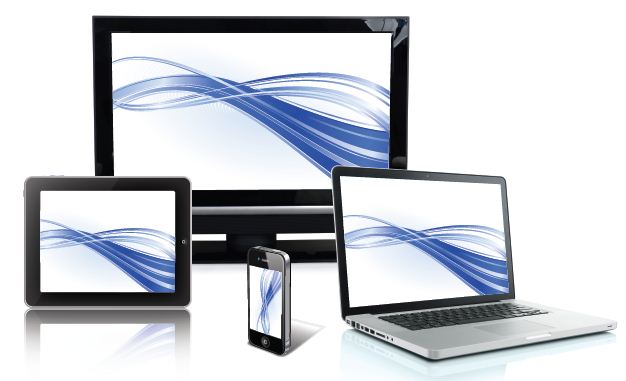
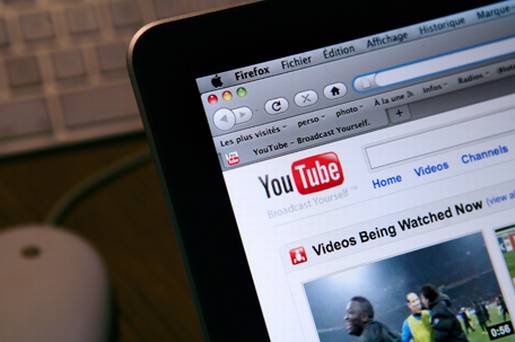
YouTube_Firefox_TabletAs important as YouTube’s ability to aggregate and curate all of this content has been to its success, providing users with any-screen access by way of PC and mobile websites as well as a variety of mobile and television applications has been equally critical. This has resulted in 25% of YouTube’s global audience watching videos via mobile devices, and a remarkable 50% of Gen C visitors. These users are connected to the video platform by more than just devices though as the social engagement around sharing video links and comments truly makes YouTube the second largest social network in the world and the largest social television experience- giving the company a unique advantage in building a TV Everywhere service.

While the bite-sized entertainment offered up by YouTube might be prefect for Gen C consumers, it still doesn’t replicate the current programming available through pay television. Fortunately for YouTube, Google has started to build out the actual infrastructure necessary to bridge this gap. Google Fiber, which promises internet connection speeds up to 100 times faster than today’s broadband as well as high-definition television, recently announced the second and third cities to deploy its service as well as adding premium subscriptions from HBO and Cinemax to its channel line-up. By combining traditional media content with digital video from YouTube, Google can create the ultimate TV Everywhere experience for any audience in a Google Fiber city going forward (which could cost an estimated $11 billion to build out if Google wants to compete with other providers on a nationwide basis- well within the possibility considering Google’s capital structure).

Regardless of whether its YouTube or even Google TV (because of its ability to incorporate media-specific apps into its framework) that drives adoption, most consumers will finally get what content they want (as well as when and where they want it) either directly from Google’s combined efforts or indirectly from market rivals being pressured into providing more competitive offerings. Until then, 1 billion YouTube users will have plenty of content to keep them entertained.